Landing at Westchester County Airport (HPN) and stepping into the brisk New York breeze feels like a small victory—until you realize you need wheels. Renting a car here is straightforward, but a few smart moves turn a ho-hum pickup into a smooth, stress-free start to your trip. This guide walks you through what to expect at the counters, what to bring, car rentals at westchester county airport how fees and tolls usually work, and the little habits that save time and money.
Overview: What car rentals at HPN look like
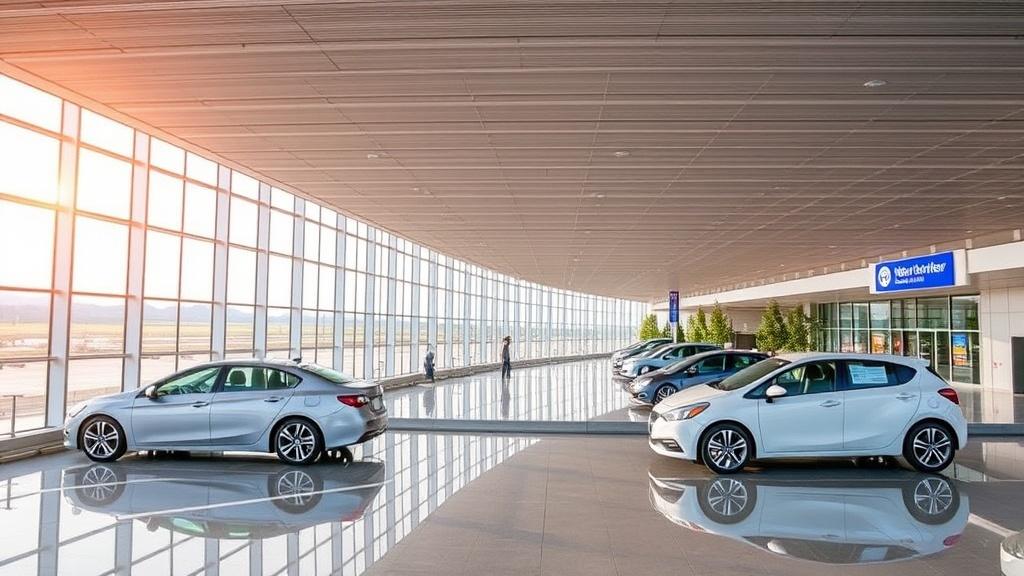
Westchester County Airport is compact compared with major international hubs, and that gives it advantages. Rental desks are located in the terminal, and most companies keep cars either on-site or just a short shuttle ride away. You won’t be chasing buses across an industrial lot. Instead, expect a quick walk or a brief shuttle; signage is clear, and shuttle frequencies are generally consistent with flight arrivals.
Because the airport serves a mix of business and leisure travelers, you’ll find the usual national brands alongside local operators. Many companies support online check-in and mobile apps—use them. They cut wait time, let you choose vehicle class, and sometimes reduce paperwork on arrival.
Which rental companies operate here?
While offerings can change, Westchester typically hosts the major national brands: Avis, Budget, Enterprise/Alamo, Hertz, National, and often a few regional players. If you have a preferred loyalty program, check the company’s HPN presence before you travel. If you prefer a niche provider (luxury, electric vehicles, or cargo vans), book ahead—those options are less common on short notice.
Before you go: reservations and practical prep
Reserving early matters at HPN. Because it’s a smaller airport with limited vehicle inventory, last-minute demand—especially on weekdays during business travel hours or holiday weekends—can push prices up or limit choices. Use the rental company’s app or a reputable comparison site, and lock in the vehicle class you want rather than relying on “best available” on arrival.
What to bring to the counter
- Valid driver’s license (domestic or international) and a second ID if you have one.
- Major credit card in the primary driver’s name (many companies require this for the security deposit).
- Reservation confirmation—digital is fine.
- If you’re a non-U.S. resident, bring your passport and, if required in your country, an International Driving Permit.
- Proof of insurance only if you plan to use your personal coverage; otherwise you can purchase rental insurance at the counter.
One small but important point: some companies accept debit cards but apply additional checks (credit score or extra documentation) or restrict vehicle classes. If you’re counting on a debit card, call ahead.
Understanding fees, insurance, and age rules
Rental invoices hide more movement than they used to. Here’s how to parse the common line items so you’re not surprised when the card hold posts.
- Security deposit: A card hold is standard—often several hundred dollars or more depending on vehicle class and rental length.
- Young driver surcharge: Drivers under 25 typically pay an extra daily fee. The minimum legal driving age varies by company, but 21 is common with a surcharge.
- Fuel policy: Options usually include returning the car with the same fuel level or pre-purchasing a full tank; prepay is convenient but rarely the cheapest unless you’re certain of consumption.
- Toll charges: New York’s highways increasingly use cashless tolling. Rental companies often offer a daily toll pass or bill you later with an administrative fee. If you have an E-ZPass, ask whether it can be used to avoid rental company fees.
- Insurance: Collision Damage Waiver (CDW) and Liability coverages are offered at the counter. If your personal auto insurance or credit card covers rentals, you might decline these—but verify coverage terms first.
Typical daily cost range and what affects price
Expect daily rates to vary widely: compact cars often start in the lower range, while SUVs, luxury cars, and specialty vehicles cost more. Peak demand, local events, business travel days, and holiday weekends push prices up. Book early, compare total prices (taxes and fees included), and consider pickup/drop-off times that avoid peak return hours to keep costs down.
Picking up the car: a quick step-by-step
The counter process generally follows a predictable arc. Use it to your advantage by being prepared and observant.
- Present your documents and confirm the reservation, rate, and fuel policy.
- Watch the agent walk through insurance and add-ons. If you decline insurance, ask them to show it on the contract.
- Inspect the vehicle carefully—look for scratches, dents, interior damage, and take time-stamped photos or a quick video of each side and the odometer reading.
- Confirm how tolls will be handled and note the rental return location and hours. Get the agent’s name or counter ID if there are questions later.
- Ask about phone options for roadside assistance and the procedure for accidents or mechanical issues.
These five minutes save you time, hassle, and potential charges later. If you see damage not listed on the agreement, have the agent note it before you drive away.
Returning the car: avoid the common pitfalls
Return the vehicle on time. Late returns usually trigger additional day charges, and clock rounding can be unforgiving. If you’re returning after hours, follow the company’s after-hours instructions precisely—many airports have a dropbox for keys and require you to photograph the vehicle and fuel level.
Before you hand over the keys, photograph the car’s condition and fuel gauge. Keep receipts for any fuel or toll payments paid separately. If you used a parking lot or public garage, keep that receipt too; it helps if questions arise later.
Table: Quick rental pickup and return checklist
| Step | Action | Why it matters |
|---|---|---|
| Reservation | Book early and confirm vehicle class | Locks in availability and often a better rate |
| Documentation | Bring license, credit card, reservation | Speeds up counter processing |
| Inspection | Photograph all sides and note existing damage | Protects you from disputed damage claims |
| Fuel | Decide prepay vs. refill before returning | Affects final cost and convenience |
| Return | Allow buffer time; photograph on drop-off | Prevents late fees and documents condition |
Driving from HPN: routes, parking, and local tips
Westchester sits at a crossroads of New York State parkways and interstates. You’ll find efficient routes north and east through the county, and direct paths into the city if you plan to drive into Manhattan. Drive defensively: priority is given to steady traffic flow on parkways, and some parkways restrict large vehicles (rental trucks may be routed differently).
Parking in downtown White Plains is straightforward with garages and street options, but parking in New York City is a different story. If your trip includes Manhattan, consider whether you truly need a car—between trains, ride-shares, and congestion pricing, a car can complicate city travel. For day trips around Westchester—vineyards, Hudson River views, or county parks—a car is ideal.
Practical local tips
- Keep spare change or a payment method for parking and tolls; many local systems are cashless, but private lots still accept card payments.
- Mind school zones and lower speed limits—fines and tickets are common.
- If you plan to visit the city, research congestion and bridge toll charges in advance.
Money-saving strategies and last-minute tips
Small choices add up. Join rental loyalty programs for faster pickups and potential upgrades. Use credit cards that include rental insurance—this can let you decline the rental company’s collision coverage and save significant daily fees. Book midweek if your dates are flexible; business travel patterns sometimes make weekends cheaper, but not always—comparison matters.
For tolls, ask the desk whether there’s an E-ZPass option and compare the daily cost versus pay-as-you-go plus administrative fees. If you can avoid automatic toll package opt-ins, do the math: sometimes it’s cheaper to handle tolls directly.
Finally, treat the car as a borrowed tool. Keep receipts, photograph any unusual issues, fill the tank as agreed, and return on time. Courtesy matters at small airports; a clean, on-time return often smooths disputes and speeds refunds of security holds.
Resources to check before you travel
- Rental company confirmation emails and apps (for pick-up instructions and add-ons)
- Westchester County Airport website for terminal maps and shuttle details
- Credit card benefits page for rental insurance specifics
- State DMV or rental company pages for driver age policies and ID requirements
Final reminders
Book early, bring the right documents, do a careful vehicle inspection, and know how tolls will be handled. With these steps you’ll avoid most surprises and turn the practical act of renting a car into a calm, functional start to your trip.
Conclusion
Renting a car at Westchester County Airport doesn’t need to be complicated: a little preparation—booking ahead, bringing the right documents, inspecting the vehicle, and understanding tolls and insurance—goes a long way. Whether you’re headed into the city, exploring Hudson River towns, or visiting family in the suburbs, a smart rental experience gets your trip rolling smoothly from the moment you touch down.